Care Guides
How to season, clean, and rescue cast iron — the plain-English care guides that make the pans last a lifetime.
Cast iron has a reputation for being high-maintenance, and it is almost entirely undeserved. The care comes down to a few minutes and two habits: keep it seasoned, and keep it dry. Do that and a $25 skillet outlives every nonstick pan you’ll ever buy — the same pans get handed down for a reason. Everything that scares people off is either a myth (soap ruins it, you can never use metal utensils) or a fixable one-time problem (it rusted, the seasoning wore through).
These guides are the plain-English version, with the actual reasons behind the steps — because once you understand why seasoning is just oil polymerized into a hard layer, or why a little soap is fine on a modern polymerized surface, the fear disappears and the routine becomes second nature. We cite the manufacturer instructions and the chemistry so you can check our work.
Start with seasoning and cleaning — those two cover 90% of everyday cast iron life. Come back for rust removal if a pan gets neglected, and the beginner guide if you’re on day one.
Everything in Guides
How to Season Cast Iron
The simple oven method, why seasoning works, and how to build a slick, black finish that lasts.
How to Clean Cast Iron
The right way to clean a skillet after cooking — and the truth about whether soap ruins seasoning.
How to Remove Rust from Cast Iron
Bring a rusty pan back to life — the scrub, the re-season, and how to stop rust coming back.
Cast Iron for Beginners
Your first month with cast iron — first use, everyday care, and the mistakes that scare people off.
What Is a Dutch Oven?
What a dutch oven is, what it's for, and how it differs from a stock pot, braiser and slow cooker.
Best Oil for Seasoning Cast Iron
Which oil to season with and why smoke point matters more than the label on the bottle.
Is Cast Iron Safe to Cook With?
What the evidence says about cast iron and health — the dietary iron it adds, why it's free of nonstick PFAS chemicals, and the few people who should be cautious.
Why Is My Cast Iron Sticky? (And Why Food Sticks)
The two most common cast iron complaints — a tacky, gummy surface and food that won't release — what causes each, and how to fix them for good.
How to Store Cast Iron
How to keep cast iron rust-free in the cupboard — stacking without scratching, lids and pan protectors, and storing a dutch oven so it never smells musty.
Using Cast Iron on Glass, Induction & Electric Stovetops
Yes, cast iron works on glass-top and induction ranges — the real risks (scratches and cracked glass), and how to use it safely on each cooktop.
How to Cook Eggs in Cast Iron (Without Sticking)
Eggs are the test cast iron most often fails — here's how to fry, scramble and make an omelet that releases cleanly, from preheating to fat to pan choice.
Can You Use Soap on Cast Iron?
The biggest cast iron myth, settled: modern dish soap will not strip a polymerized seasoning. What actually ruins it, and the everyday wash that keeps it slick.
How to Clean Enameled Cast Iron
Enameled pots need no seasoning, but the enamel needs its own care — how to lift stains and stuck-on fond from a Le Creuset or Lodge without scratching it.
What Is Enameled Cast Iron?
Cast iron with a fused glass coating — what enamel changes about seasoning, acidic foods, searing and care, and how it differs from a bare skillet.
What Can You Cook in a Dutch Oven?
Braises, soups, chili, whole roasts, deep-frying and bakery-crust bread — everything a dutch oven does, and why one heavy lidded pot replaces several pans.
Is Cast Iron Worth It?
An honest look at whether cast iron earns its place — the real upsides, the maintenance and weight downsides, and the kind of cook it does and doesn't suit.
Why Is My Cast Iron Seasoning Flaking?
Black flakes coming off your pan? What causes seasoning to flake or peel, whether the food is safe, and how to strip back and rebuild a solid finish.
What Is Cast Iron?
The metal, in plain English — what cast iron actually is, why 2 to 4 percent carbon makes it pour into a mold and hold heat, and what that means for the pan on your stove.
Is Cast Iron Magnetic?
Yes — and that one fact is why cast iron works on every induction hob, why the magnet test tells you what a pan is made of, and why enamel changes nothing.
How to Strip and Re-Season Cast Iron
When a pan needs more than another coat: how to take cast iron back to bare metal — self-clean, lye, vinegar or elbow grease — and rebuild the seasoning from scratch.
What Not to Cook in Cast Iron
The short, honest list of foods a bare cast iron pan handles badly — long-simmered tomato, wine reductions, delicate fish, sticky desserts — and what to use instead.
Dutch Oven First Use & Care
What to do the day your dutch oven arrives, and every day after — first use, everyday cleaning, thermal shock, lid care, and the different rules for bare and enameled pots.
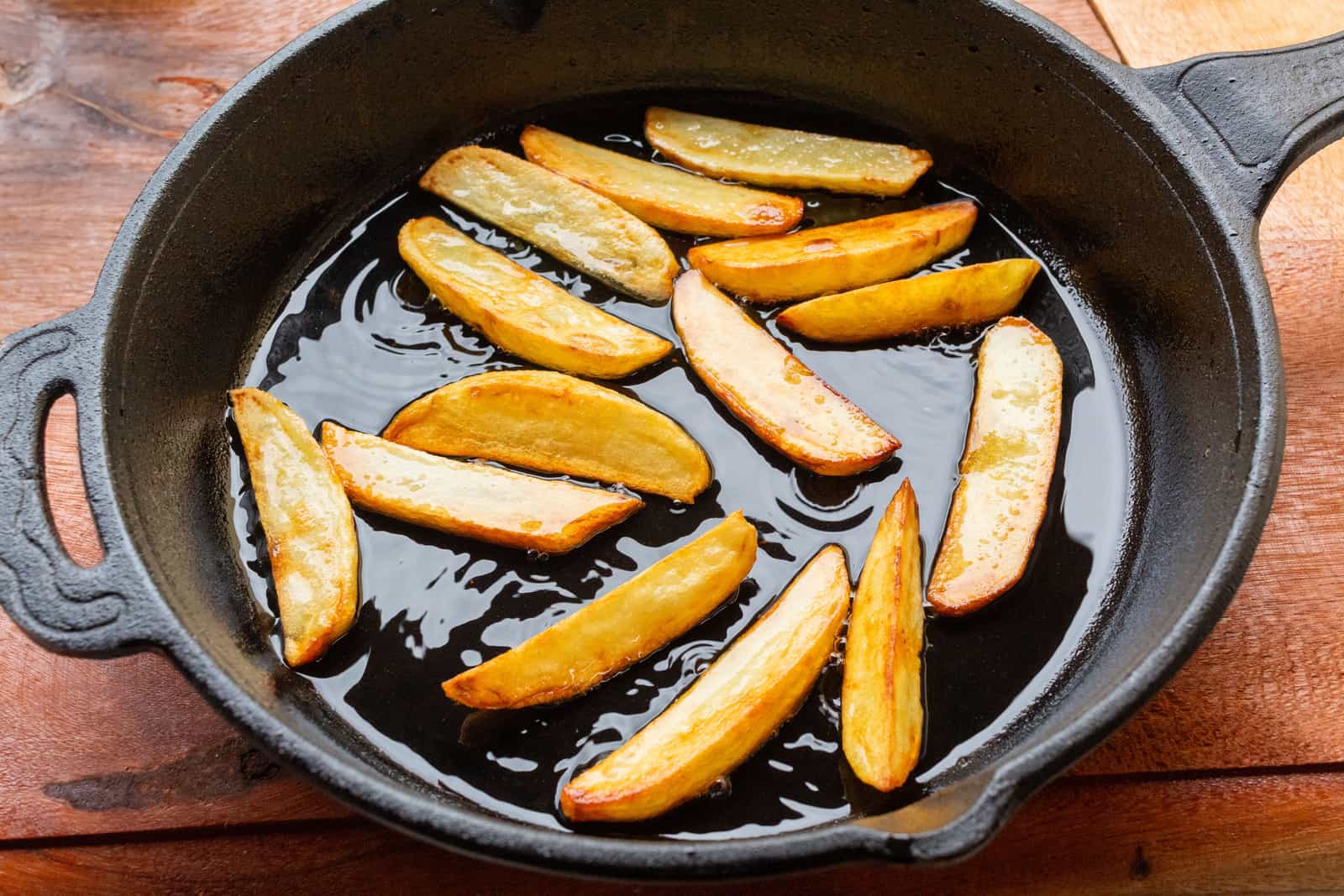
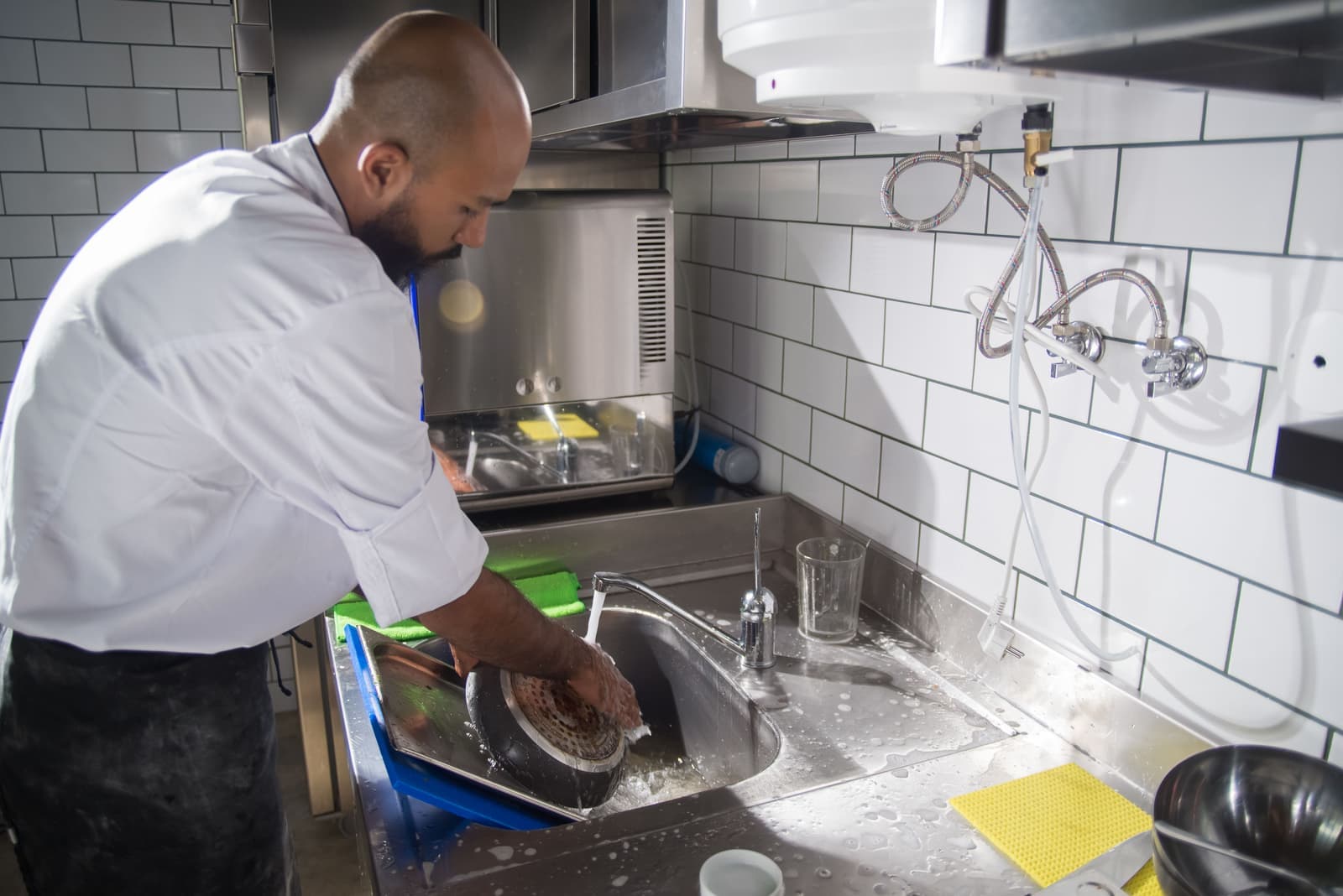
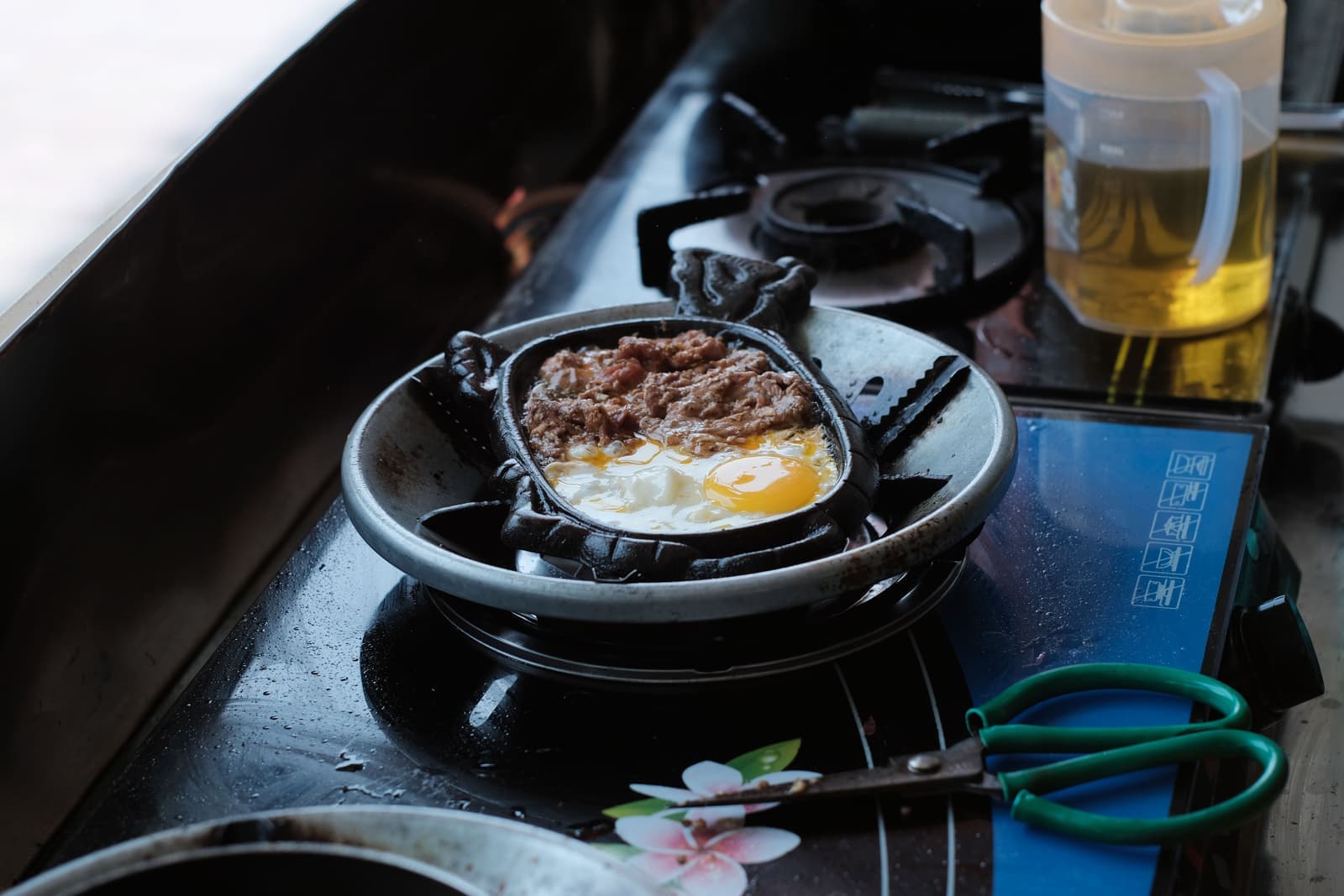
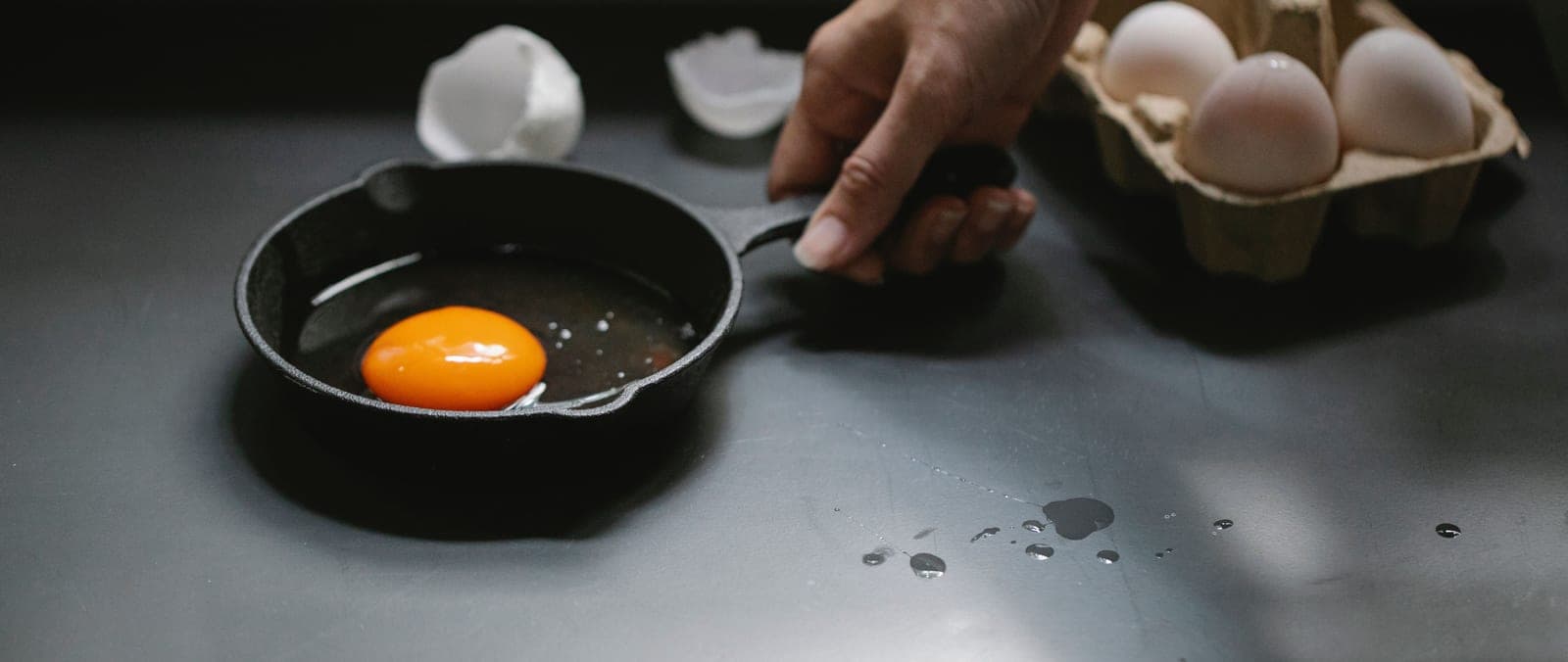
The whole of cast iron care, in one paragraph
After cooking, wash the pan with hot water and a brush (a little dish soap is fine on a well-seasoned modern pan). Dry it completely — a minute on a warm burner drives off the last moisture, which is what actually prevents rust. Wipe on a thin film of oil, buff it until it looks nearly dry, and put it away. That’s it. The cleaning guide covers the stuck-on-food edge cases, and the seasoning guidecovers the deeper oven re-season you’ll do a couple of times a year at most.
The myths worth un-learning
“Soap ruins cast iron.”It doesn’t — that was true of old lye soaps, not modern dish soap, which won’t dissolve a polymerized seasoning layer. “You can never use metal utensils.”Metal is fine on bare cast iron; it’s enameled pots that want wood or silicone. “It’s too much work.”It’s a minute after each use. We debunk these properly in the cleaning guide.
Does cast iron actually add iron to food?
A little, yes — cooking in bare cast iron leaches a small amount of dietary (non-heme) iron into food, more with acidic dishes, which has been studied as a modest way to raise iron intake. It’s a genuine, if minor, perk, and one more reason a plain iron pan has quietly outlasted every coated-pan trend.
Frequently asked questions
Can you use soap on cast iron?
Yes. A little modern dish soap won't harm a well-seasoned pan — the old 'no soap' rule dates from lye-based soaps that no longer exist. What actually protects cast iron is drying it fully and wiping on a thin film of oil after washing.
How often do you need to season cast iron?
Rarely, if you cook with it. Everyday cooking with a little fat maintains the seasoning on its own. A full oven re-season is only needed a couple of times a year, or when the finish looks patchy, dull or has started to rust.
Is cast iron hard to take care of?
No — it takes about a minute after each use: wash, dry completely, wipe with a little oil. Most of cast iron's fussy reputation comes from myths (soap, metal utensils) that aren't true of modern pans.
Sources
- Lodge Cast Iron — Cleaning & Care — Lodge's official use & care guidance (a little soap is fine; dry and oil) (accessed July 19, 2026)
- Lodge Cast Iron — How to Season — Lodge's official seasoning method — wash, thin oil, bake hot to polymerize (accessed July 19, 2026)
- America's Test Kitchen — How to Clean and Season a Cast-Iron Pan — Test-kitchen guidance: thin oil, matte-not-shiny seasoning, everyday cleaning (accessed July 19, 2026)
- Food prepared in iron cooking pots as an intervention for reducing iron deficiency anaemia (PubMed) — Systematic review — cooking in cast iron adds non-heme iron to food (accessed July 19, 2026)
- The Chemistry of Cast Iron Seasoning (Sheryl Canter) — Why seasoning works — polymerization of a drying oil into a hard, bonded layer (accessed July 19, 2026)